
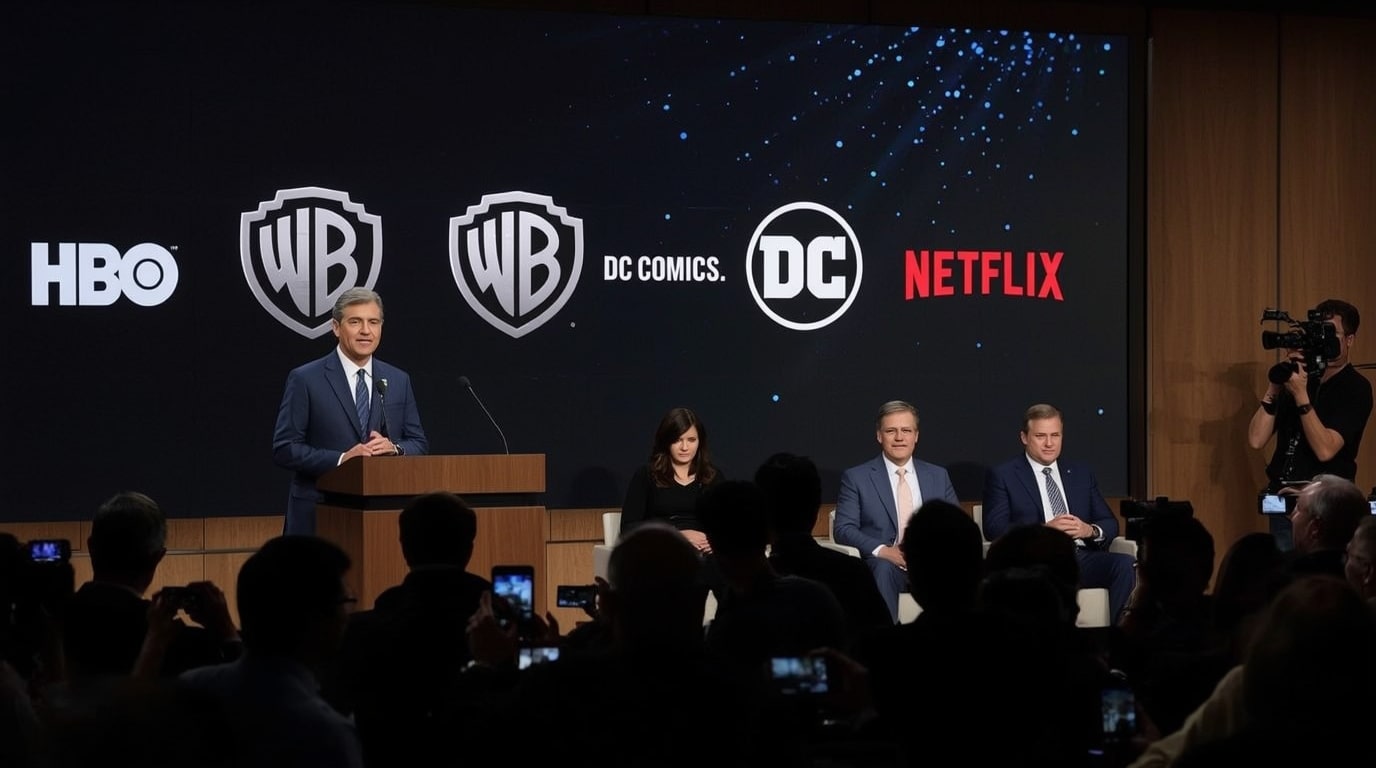
Netflix has made a blockbuster deal to acquire the legendary film and television studios, as well as the HBO and HBO Max, of the long-running brand, Warner Bros. Discovery, in a seismic change to the entertainment sector, worth an eye-watering 72 billion.
The declaration, which concluded a cutthroat battle of bids amongst media giants, puts Netflix at the top of the streaming throne, followed by the remaking of the content creation and distribution game. With Wall Street digesting the news this crisp December morning, analysts believe that the merger has the potential to transform the consumption of movies and series by the audience over the years to come.
The acquisition comes at an opportune time in Hollywood as streaming wars have destroyed the traditional income sources and compelled old studios to merge or die. Along with a treasure trove of intellectual property that includes the DC Comics universe and such epic sagas as Game of Thrones, Netflix has the opportunity to inherit the lack of prestige punch characteristic of theatrical blockbusters, which, in turn, has long been criticised in the context of Netflix.
This takeover not only strengthens the library of Netflix but also leads the world subscriber count of Netflix to skyrocket to an all-time high of 400 million subscribers when it is added to the already devoted base of HBO.
According to the fine print of the contract, the shareholders of Warner Bros. Discovery are going to get up a cash and one share worth of Netflix stock of about $23.25 and $4.50 respectively and this amount makes the transaction worth $27.75 a share.
This power reflects an aggregate company worth of 82.7 billion, inclusive of putative debt. Its payout overshadows rival bids, with one Paramount-Skydance consortium offer at nearly 24 per share and Comcast overtures highlighting the aggressive efforts by Netflix to take control of high-end content.
Even timing is another complex issue. The deal also depends on the successful completion of a spinoff of the cable networks division that was previously intended to be done by Warner Bros. Discovery, but is now being renamed as Discovery Global.
This division, which will include CNN, TBS and HGTV, is to be completed in the third quarter of 2026, and the complete merger will be completed between 12 and 18 months later. Legal counsel such as Skadden on the Netflix side has already traversed the regulatory minefield, and antitrust Inquisitors are looming large due to the collective muscle of streaming and production in the same hands.
Executives celebrated the move as the logical development of the digital era. In a statement, Netflix co-CEO Ted Sarandos pointed out that the incorporation of the creative engine of Warner would help speed up the innovation, including AI-enhanced scripting and the global localisation of hits. In the meantime, the leadership of Warner Bros. Discovery considers the sale as a lifeboat and will be able to focus on linear TV in the face of cord-cutting trends.

Netflix Earns Respect and Size in Content Wars
In the case of Netflix, it is not merely about numbers, but it is about identity. Being born in the times of binge-watching the originals, such as Stranger Things, the streamer has been consistently branded as a volume player, not a prestige powerhouse. That is what Warner Bros. alters overnight.
The Batman series, Harry Potter films and HBO prestige dramas are iconic franchises that bring 100 years of Hollywood history to the Netflix library. A Matrix reboot streaming on day-and-date or a spin-off series of Succession only on the platform – the potentials are mouth-watering.
The merger will also have synergies in production. Burbank lots and Atlanta facilities owned by Warner can be used as centres of the growing slate of Netflix, which may reduce expenses on the greenlighted projects.
As HBO Max’s tech stack gets integrated into the robust ecosystem of Netflix, I look forward to the continuous and unhindered upgrades, such as custom recommendations based on the data vaults of the team at Warner. It is anticipated that the count of subscribers will skyrocket as the HBO premium tier will bring back the cord-nevers into the fold, whereas Netflix will keep them due to its algorithmic magic.
However, this power takeover is questionable. The U.S. and European regulators could also investigate the existence of monopolies, particularly following recent mergers such as Disney acquiring Fox, which attracted criticism.
Netflix has already agreed to respect the current theatrical commitments of Warner through 2029, though cynics question whether the avoidance of box office operations by the streamer company will cause the movie theatre starvation.
This union is an additional headwind on the already damaged movie theatres due to the habits of the pandemic. The day-and-date release model was pioneered by Warner Bros., releasing movies such as Dune in theatres and at home simultaneously, a strategy that Netflix fully applauds.
After a merger, you are likely to see a decrease in tentpoles on silver screens, which will hasten the fall of the midweek cinema and high-end movie experiences such as IMAX. Chains such as AMC and Regal, which are yet to come out of debt accumulation, may experience a further reduction in attendance of 15% should exclusive streaming become standardised.
Outside of theatres, the impact is spread all over Hollywood. Talent agencies expect a multi-picture apocalypse, and VFX firms in Atlanta are talking Netflix money. Smaller independents are, however, concerned with shrinking margins as the Netflix-Warner duopoly squashes advertising revenues of competitors such as Disney+ and Amazon Prime.
The Cautious Optimism of Wall Street gives the Record Highs
Markets responded fairly intensely. Warner Bros. Discovery shares increased 6.3% in pre-market trading, and this indicates that investors are relieved by the premium price, given that the company had been struggling.
Netflix fell by a small 0.2%, as the traders balanced the risk of integration against the potential of growth. Wider indexes lifted by tech strength approached all-time highs, and the S&P 500 was nearing 6000 points, the first time ever.
This acquisition shows Netflix is finally becoming the dynasty-maker as the dust clears. With survival in an industry being a survival of the fittest, the streaming colossus has pegged its future to legacy. To consumers, it will translate into more enriched options at least until the regulators take their turn. Next chapter of Hollywood? Undeniably Netflix-colored.