
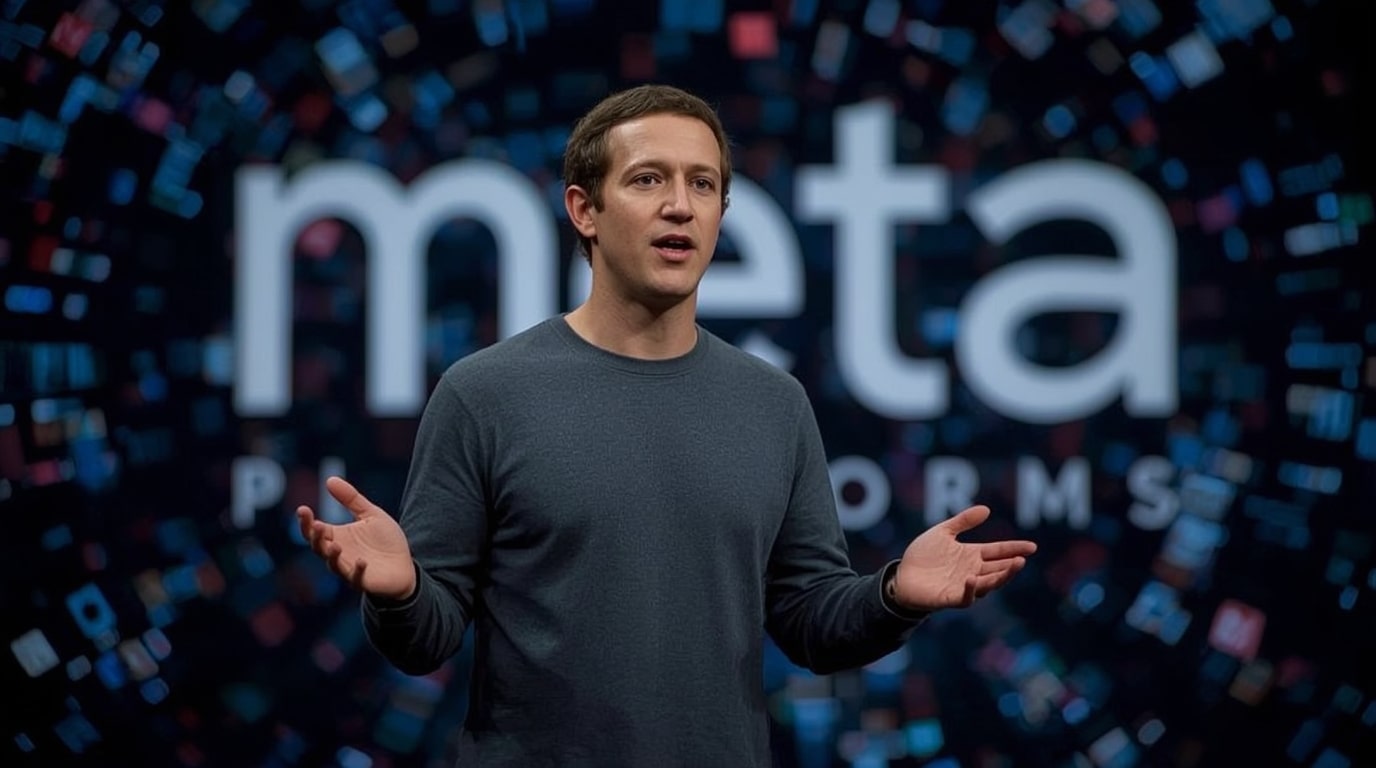
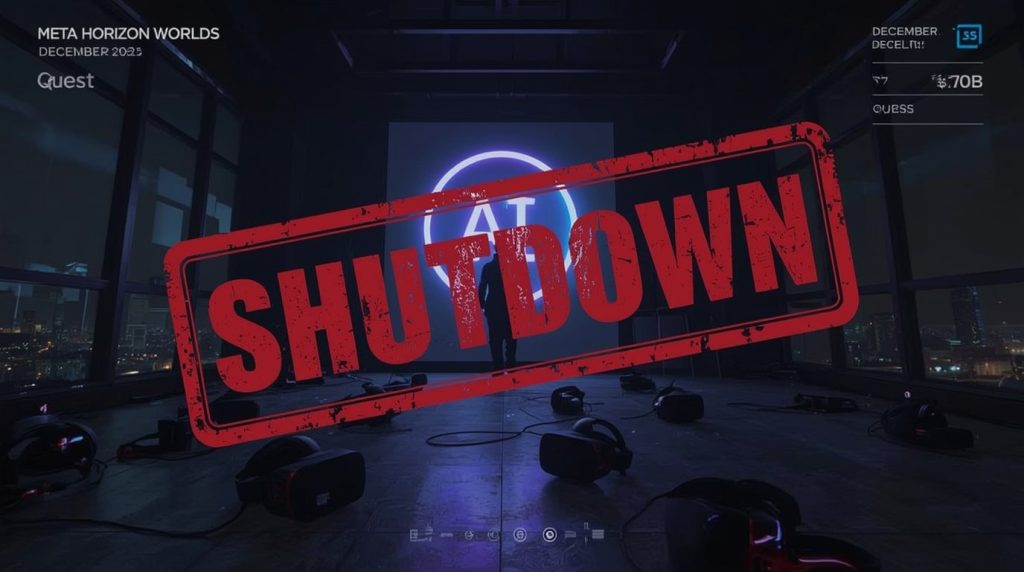
To a tragic climax indicating the possibility that the era of the metaverse has ended, on Friday, December 6, 2025, Meta Platforms Inc. announced dramatic reductions in its Reality Labs unit. The tech giant that was formerly an avid believer in the power of the virtual world declared a 30% cut in budgets related to the metaverse, such as the cancellation of flagship projects, such as Horizon Worlds, and scaled-down investments in Quest VR hardware.
This follows cumulative losses of over 70 billion since 2021, which have led to mass layoffs planned in January 2026 that will affect thousands of workers.
It is a tectonic change for the CEO Mark Zuckerberg, who has invested billions in creating an immersive digital realm. The annual expenditure of Reality Labs, the augmented and virtual reality innovation division of Meta, will be reduced to less than $11 billion.
The finances will be repurposed for the development of artificial intelligence, as improvements to the Llama model, Meta AI chatbot, and Ray-Ban smart glasses integrations. This new focus may be seen in Zuckerberg hiring the best Apple designer to work on AI wearables, a combination of hardware and generative technology.
Monetary Consequences and Stock Response
The announcement caused the stock of Meta to spike by 6% in early trading, as it can be seen that investors were relieved by the reallocation of resources. Analysts project that the cuts would save the company between 4-5 billion annually to strengthen the bottom line of the company as ad revenue growth slows.
Meta stated that in the third quarter of 2025, it had revenue of 36.5 billion, which was 12% higher than the prior year, but Reality Labs was losing 3.9 billion by itself. Such chronic shortfalls in the division have attracted attention among shareholders, and some describe the metaverse as a leaky bucket sucking out profitability.
This downsizing comes even as Big Tech struggles with the post-pandemic reality. The entry of competitors such as Apple has dampened the AR/VR hype and focused on the more modest upgrades of Vision Pro headsets instead of broad virtual platforms.
HoloLens enterprise shift at Microsoft and a low-profile XR at Google reflect a wider industry cooling. In the case of Meta, the relocation would allow the company to use the capital either in share buybacks or dividend increases, which would attract value-oriented investors in a high-interest-rate market.
Strategic Renovation: Virtual Dreams to AI Realities
Zuckerberg has positioned the changes as an evolution and not a rejection, and focused on how AI plays a vital role in driving future experiences. In one of his companywide memos, he said: “We are moving billions where the puck is going-AI that makes everyday intercourse more interactive and more personalised.
Meta’s social VR, Horizon Worlds, which has achieved poor uptake (a maximum of 200,000 monthly active users), is shelved indefinitely. Quest VR assembly divisions will be merged with a focus on niche gaming and fitness segments instead of being ubiquitous in the mass market.
The layoffs, which could include 10-15 per cent of Reality Labs 5000 employees, are a continuation of previous 2023 reductions that reduced the Meta workforce by 21,000.
Remote-hybrid strains might worsen the already low morale of the employees, but severance packages are six months of remuneration and stock options. The human cost is scorned by unions and labour advocates, who cite AI-driven efficiencies as the excuse to trim down on costs in the industry with a long-established boom-bust cycle.
More Implications on Tech and Investors
This shift is also felt throughout Silicon Valley, making the investment in the metaverse doubtful. According to the PitchBook data, venture capital inflows into VR/AR startups have fallen by 60 in the year 2025 as investors pursue AI unicorns.
To the consumer, it will bring a reduction of experimental devices and more seamless AI-based tools integrated into Facebook, Instagram, and WhatsApp-which will potentially speed up the data-hungry algorithm argument.
Meta has been bullish on its AI bet on Wall Street. Bank of America improved its rating to buy based on Llama having an advantage in developer ecosystems through open-source. However, there are risks: any regulatory inquiries of AI ethics might be similar to GDPR fines, and antitrust lawsuits will address the monopoly on adverts by Meta. Should AI deliver, then these cuts would make Meta a trillion-dollar giant; a crash would restore metaverse sceptics.
By the end of 2025, the gambit of Meta is an indication that technology never stops reinventing itself. Shareholders will be watching January layoff filings as the size of the layoff, and the industry will be asking: Was the metaverse a visionary move or a waste of money? As of today, Zuckerberg’s empire is swapping digital frontiers of silicon smarts and placing a large bet on the algorithms that mark the digital era.