
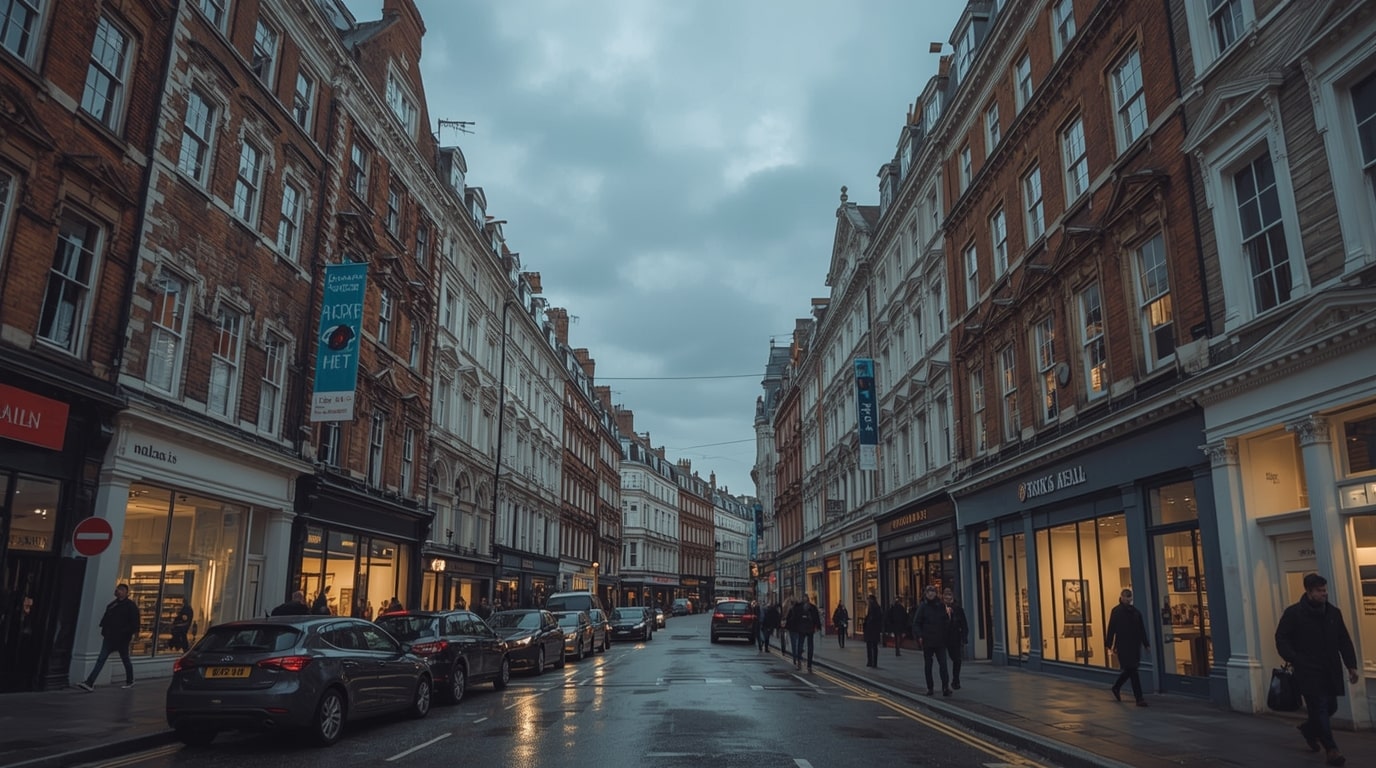
In an ugly portrayal of financial reserves, British consumers tightened in tighter last month, which contributed to pathetic retail results as the country prepared to face the Autumn Budget held by the government. A set of survey data published on December 9, 2025, gives a picture of muted spending, as it was not recorded to be as low since the onset of the pandemic, which indicates that the UK might have a tough time on the road to recovery.
The figures reflect a wider tendency of consumer reluctance, which is caused by the increase in costs and uncertainties in policies. With inflationary conditions and the expectation of fiscal measures, the pattern of spending changed drastically, including the consumption of simple products and the purchase of substantial goods.
Barclays Records Swiftest Decline Since 2021
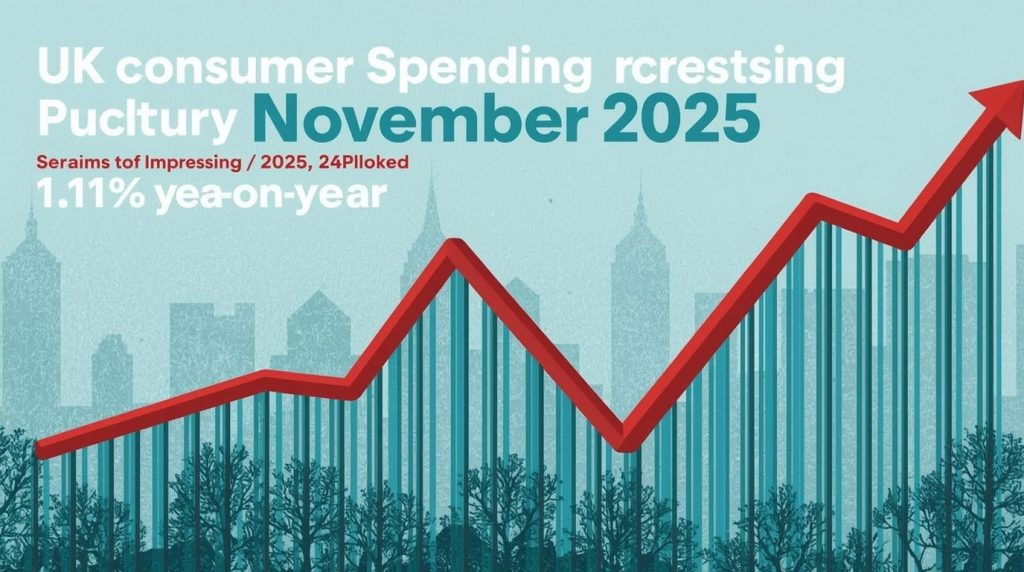
A major pointer was provided by a banking giant like Barclays, which monitored transactions in credit cards and debit cards. Their numbers showed that their spending fell by 1.1% per year in November, the largest decline since February 2021, when the COVID-19 restrictions were still devastating economic activity. It was a period between October 25 and November 21, which included a run-up towards the budget crisis that many shoppers felt.
Analysts note that this contraction underscores a planned contraction by consumers. As the rumours of possible tax increases continued throughout the month, most people opted to postpone non-essential purchases.
Although it did not raise the main income tax rates as expected, the budget, as presented by Finance Minister Rachel Reeves on November 27, contained 26 billion pounds of tax increases. Nevertheless, the expectation built up had a ripple effect on it, reducing spending enthusiasm.
British Retail Consortium Reflects Low Growth
Contrary to the Barclays figures, the British Retail Consortium (BRC) only said that spending at big retailers increased 1.4% a year, the lowest since May. This questionnaire has been conducted between November 2 and November 29, and such a time covers the most important day of Black Friday on November 28, which is usually a day that increases sales.
Nevertheless, the Black Friday of this year did not trigger the frenzy. The categories, such as computing and household appliances, improved compared to the previous year, but the non-food sales had a slight increase. The BRC explained this by systemic nervousness over the economy and rising household costs, which are steadily undermining disposable income.
According to experts, discretionary spending was impacted the most, with families spending on essentials being the most important due to the fear of additional financial pressure. This is in line with the official retail sales data of October, which recorded a steep drop, and surveys by the Confederation of British Industry that retailer confidence was at its lowest in 17 years.
Greater Economic Consequences
The November downturn comes at a critical time for the UK economy, which has been facing post-pandemic recovery and global headwinds. The inflation, despite decreasing to its highest levels, is an issue, and it is worsened by the fuel prices and disruption of supply chains. The tax measures contained in the budget, which are set to finance the services of the people, may have additional effects on consumer behaviour in the near future.
Retailers had been optimistic that the holiday season would be a recovery period, but these numbers have represented a negative balance to the hopes. As the season of Christmas nears, the industry is under pressure to attract buyers with intensive offers and discounts. However, unless the confidence does, the knock-on impact may extend to the hypotheses of employment and growth.
It is with some reservations that one hopes that the clarity of the budget will bring a bit of sanity. According to a commentary of one of the retail heads, offering some assurance regarding the financial strategies would motivate spending in the coming year. Volatility can, however, continue as interest rate decisions by the Bank of England and the U.S. Federal Reserve are about to be made.
The month of December will be vital because people tend to do their shopping during the festivities, which is likely to rescue the annual performance of the retailers. There are early signs that things are going both ways, with online sales possibly compensating for the drop in in-store sales. The policymakers will be taking close attention since this situation of low sustained consumption may force them to make changes to the monetary policy.
To conclude, the data of November is a wake-up call, as it is becoming clear that the balance between the government fiscal policies and the finances of the households is delicate. As the UK goes through these hardships, consumer confidence will be a big factor in maintaining momentum in the economy in 2026.