
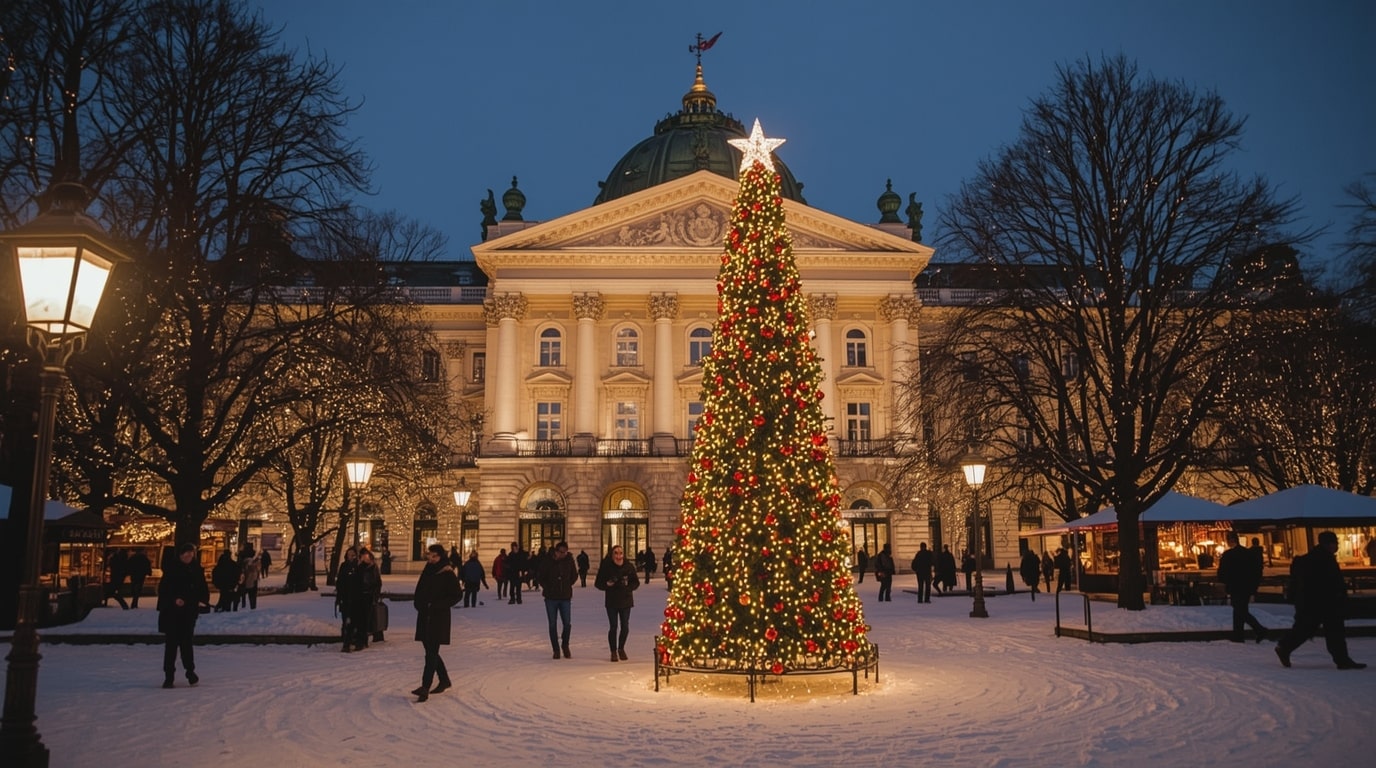
With the cold of winter gripping the continent, Germany and Hungary are taking the stage in the holiday travel arena with booking growth of more than 30% in celebrations of Christmas and New Year. This holiday rush overshadows the old standbys such as Switzerland, Austria, France, Denmark and Poland, and is an indication of the change to colourful, affordable destinations full of holiday fare.
The occupancies in the world are being sold out at an unprecedented rate as holidaymakers flock into bookings with promises of market twinkling shops, mulled wine stands, and fireworks shows that would undoubtedly make them experience a true wonderland this winter.
Already in December, the number of bookings made so far is higher than it was last year in major European cities, and industry analysts are betting that the holiday season will be busy and possibly redefine the holiday getaway.
New Booking Boom Central Europe
Frankfurt in Germany is leading the pack with the incredible 35% increase in reservations, making the financial centre a holiday destination. Its historic Romerberg square takes in the visitors with centuries-old timber-framed houses lightened up by the strings of lights, and the scent of gingerbread is floating in cobblestone streets.
Close by, the Christkindlesmarkt, one of the oldest in the world, is attracting visitors to Nuremberg with its artisan decorations and roasted chestnuts, and this has been in addition to a 16% increase in regional bookings.
Even these icons seem pale by comparison to Hungary, with Budapest, where the number of booked nights increased by 39% – the most in Europe. Banks of the Danube River are filled with ice-skating rinks and temporary fairs, and provide imperial pomp and pocket-friendly quality. Budget-friendly at an average of EUR81 per night, Budapest has been attracting family and couples who are after value and not the show.
This is spilt over to short-term rentals, where the demand around iconic markets has constrained supply in more than two-thirds of the cities followed. Occupancy rates are high (73 per cent in Strasbourg, 70 per cent in Colmar) – which proves the stress on the worthy of notice, and encourages the astute traveller to make a reservation earlier than ever.
Why Germany and Hungary Are Leading the Pack
The key to such dominance is a powerful combination of tradition, innovation and accessibility. The well-developed rail system of Germany and the rising number of low-cost flights in Hungary make these destinations less difficult to access, with the increased airfares in other destinations.
The offerings of the festivals have also changed: interactive Advent wreath-making in Cologne or snow-covered thermal baths in Budapest give the traditional elements of the festivals a new edge.
Travellers desire closeness to the crowds, and they gravitate towards these centres because of their combination of big city and small town escapes. Smaller cities as the example of Rothenburg ob der Tauber in Germany, with its medieval walls covered with lights, are experiencing spillover traffic, and Hungary is awaiting Szentendre, which is a town full of artisan markets located just outside the capital.
The economic factors also have a role to play. As the inflation rate subsides, disposable income towards leisure is recovering, and these destinations are providing a high payoff on investments – consider EUR105 nights in Frankfurt with days of free concerts and light shows. However, when the price is higher, in alpine Resorts, such as Basel in Switzerland (26% growth) or Vienna in Austria, the destination becomes less accessible.
Comparisons Uncover Changing Holiday Preferences
Although Krakow in Poland and Prague in the Czech Republic recorded 24% gains, they are lagging behind the pack due to weather-related seasonal losses. The Colmar of France, with its canals and that half-timbered beauty, is growing at a pathetic 2% and is stagnating in the mire of more rigid laws on rentals. In Copenhagen, Denmark, there is zero per cent because people focus on sustainability rather than mass tourism.
This difference reflects the larger patterns: shifting from the ski-centric escapes to the cultural ones. The data provided by the revenue management demonstrates that the market in central Europe is not only surviving but flourishing, and the queries as early as early 2026 already indicate longevity.
Analysts predict that Germany and Hungary will enhance their positions as party leaders. The quest to experience something genuine and full of heart is also redefining the winter map of Europe, with one analyst citing the growing popularity of lesser-known destinations such as France Metz, where EUR83 rooms attract deal-hunt shoppers.
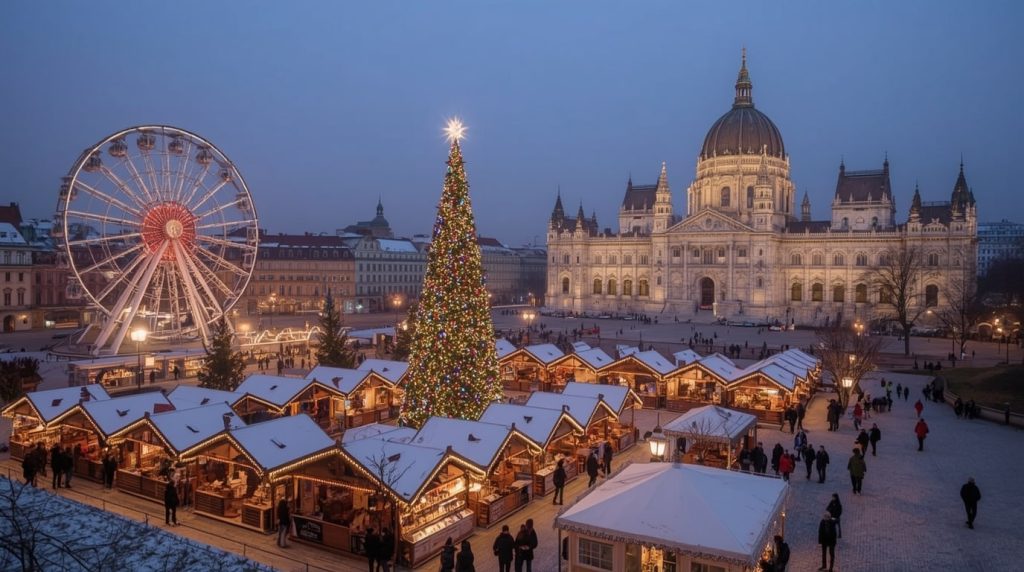
Peering into the Future: A Sunny Christmas Prospect
With the official start of many markets on December 6, many markets are buzzing throughout the continent. Berlin Gendarmenmarkt symphony of choirs, and Budapest Vorosmarty Square fireworks are frontiers that are to be indelibly marked by snows and melodies.
To the travellers who are already planning their escape, the word is simple: book now before the yuletide frenzy transforms the magic-filled streets into sell-out performances.
This holiday boom highlights the timeless attraction of travel. One of the things to keep in mind in the global uncertainties is that the brilliance of shared traditions provides the way to go. The heart of Europe beats most in Germany and Hungary this winter to ask the world to join the celebration.