
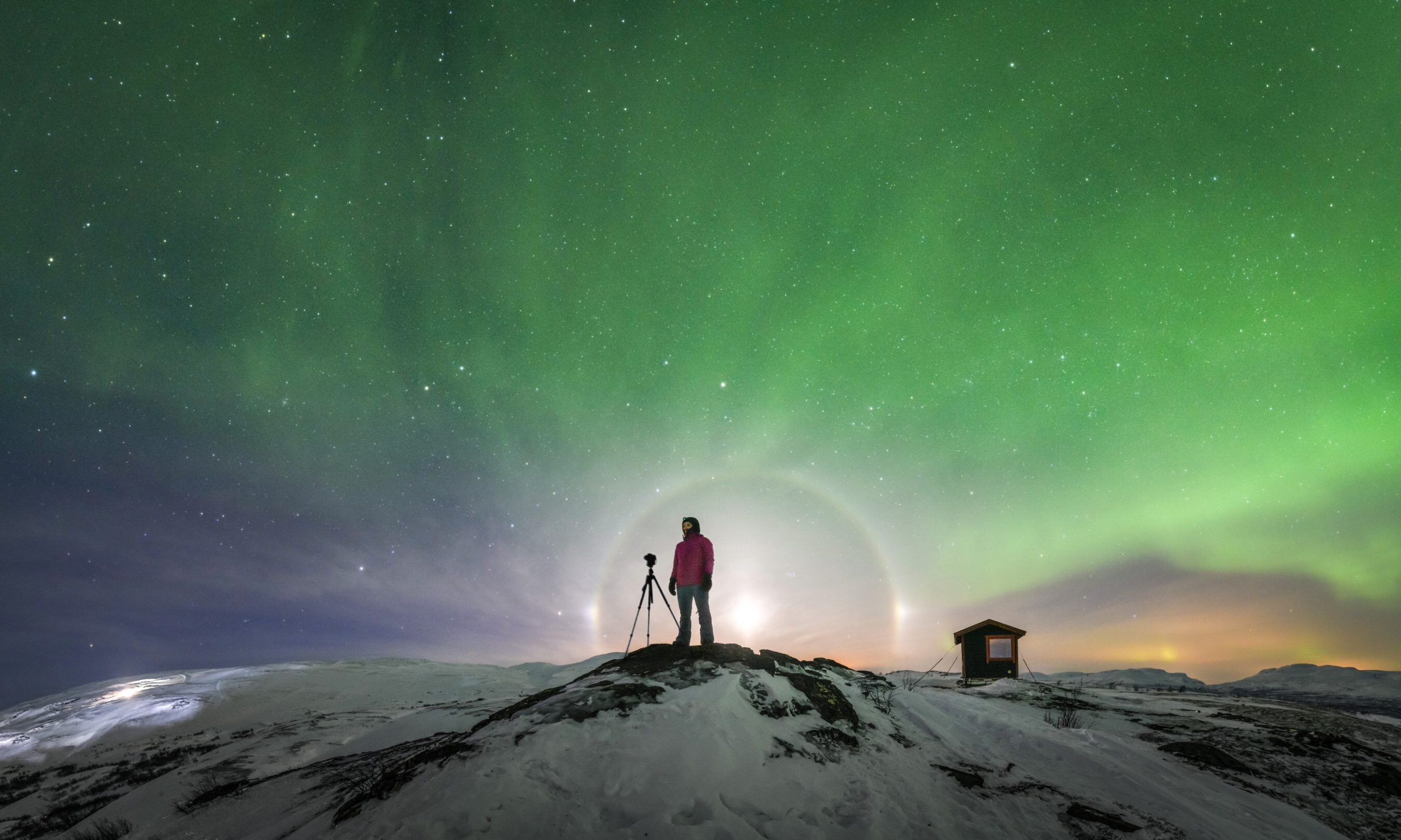
Sweden, known as the first country recommended for its wellbeing benefits, is now drawing attention to one of its most striking natural experiences: the Aurora Borealis, often described as Arctic light therapy.
A new Swedish Prescription video explains how this experience supports wellbeing.
With growing global interest in northern lights travel and 61% of travellers listing the aurora as the natural event they most want to witness, the timing aligns with a rare solar maximum. This phase increases the frequency and brightness of aurora displays, making sightings more likely. Sweden offers strong viewing conditions for those seeking the experience.
Abisko in Swedish Lapland is recognised as one of the world’s most reliable places for seeing the Northern Lights, due to its stable weather and clear skies.
“The time in Abisko was calming and beautiful,” says Chris Brown from Louisiana, USA, who recently travelled with Lights over Lapland. “Seeing the Aurora was an experience we will never forget and left us with a deep awe of nature.”
Research continues to show that experiences which evoke awe — such as viewing large-scale natural events — can reduce stress and support emotional balance.
“Seeing the Northern Lights is a great way to connect with the night sky, and my research suggests that this connection is beneficial for our mental health and happiness,” says Dr. Chris Barnes, psychologist at the University of Derby in the UK.
The Northern Lights are visible in Sweden for up to 200 nights each year, with strong viewing conditions expected until 2026 due to the ongoing solar cycle. Many visitors choose to experience the aurora while in saunas, outdoor hot tubs, quiet cabins or during reindeer sled journeys under the night sky.
A recent YouGov poll conducted for Visit Sweden found that almost two-thirds of respondents would consider travelling to nature if recommended by a doctor, though very few had ever received such guidance. The Swedish Prescription has been created to address that gap, offering a selection of evidence-based wellbeing activities including sky gazing, forest bathing, cultural traditions and fika.